This is an old revision of the document!
Table of Contents
緑茶
Japan
Kagoshima: Shincha Wakana Bio (Teekult)
- Western (6 X 20): very pleasant, tropical fruit nose. I think I get guavas and sweet yellow grass. Cup fair, ever so slightly bitter to be very pleasant. Pineapple leaf. As it chills, it becomes thicker, so dense and pleasant!
- Western (7 X 20): such a beautiful color. Such a full nose. Cup umami hit, full body. Such sweetness!
- Western (13 X 20): Ich denke an Schilf. Körper elegant und voll, Sonnenschein. Slightly bitter, hay in a sunlit barn.
- Western (14 X 20): straw also, but supported by a subtle, substantiated umami hit. Cup ever so slightly bitter to boost its body, just amazing.
有機煎茶 (ST)
- Western (6 X 20): fishy and off. Cup similarly fishy and grassy. Better than the nose, but ultimately unpleasant. As it chills, it develops body that carries the fishy-ness a bit.
無農薬有機栽培 玉露 (ST)
- Western (7 X 20): Nose tamer, a bit pissy, but also very nice. Cup slightly bitter, slightly flavourless. Some pleasant bamboo acidity and umami bomb fullness. It remains somewhat unsatisfying though.
響庵: 蔵出し 玉露 (?)
- Western (13 X 20): Much thicker umami hit in the nose, almost smoky. Body so thick, it's unpleasant. Really tastes like chicken broth. Much more pleasant when cool, so much thikkness!
China
Guangxi: Schnee Knospe (ST) (2021)
- ML sais this is from wild plants, and that it's different from Emei Maofeng. Indeed, I find it alot more elegant.
- Western (2 IX 21): floral nose, Maiglückchen, lily of the valley and grass; slightly bitter but with a long echo in which I find hints of tonka, wood and strawberries.
Huzhou, Anji: Anji Bai Cha (yxhxtea)
- Western (28 IV 19): smells like anji bai cha; sweetish, fruity, honeyed; ostensible greenery. Cup full bodies, greenery also, but very little bitterness. Linear development from the nose, very pleasant.
Sichuan, Mengding: Ganlu (2018) (freshteastories)
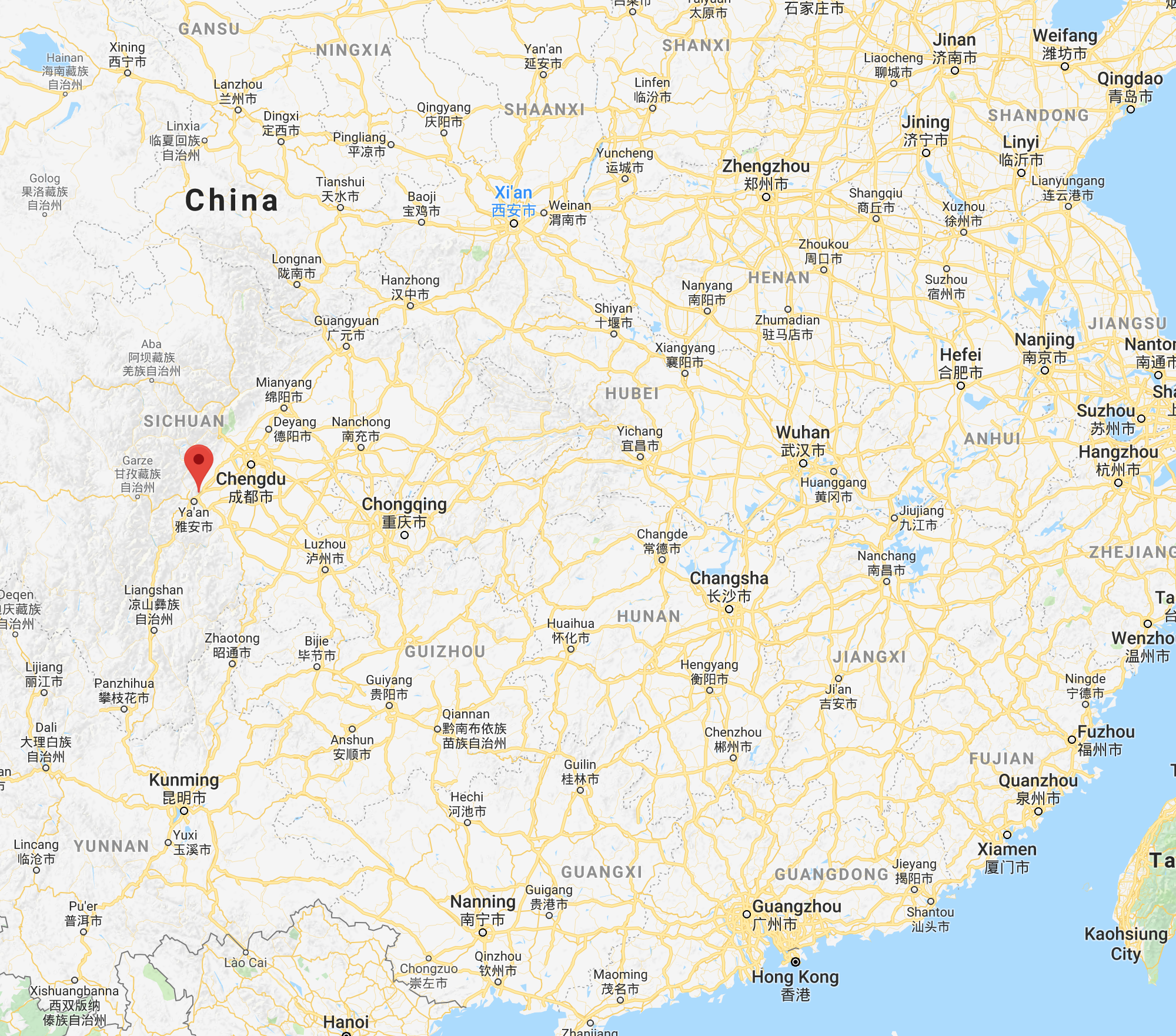
- Ganlu (甘露) means Sweet Dew
- A bit of a heavy tea for me
- Western Tasting: Beautiful tippy curly maofeng leaves. Wet leaves look plush, empty cup green, a bit bitter. Interesting nose, I think I got a whiff of cat piss, and carrot stew. Then there are raw cashews, and celeriac. Very thick soup, it's almost too dense! Sweet and thick, not very aromatic.
Sichuan, Ya An: Emei Maofeng (2019 Spring) (ST)
- Western (14 X 20): Yellow straw, some wilted white flowers? Cup is streamlined, nice lingering sweetness, but ultimately a bit reduced.
Zhejiang, Hangzhou: Longjing Wild (2021) (ST)
- Western (4 VIII 21): Already when brewing it's big, fills the kitchen with typical aroma. Nose nutty, roasted peanuts, and yellow straw or hay. Almond milk. All is quite sharp, kantig though! Same in the cup, full but definitely not smooth, quite raw and powerful. Raw peanuts now, grass. Rougher honey finish. Quite nice!
Zhejiang: White Dragon Well (白龍井) (Song)
- Western (4 IX 19): fresh, vanillated smell as hot water is poured. Nose green, but also roasted and chestnutty aromas; marroni and grass and a bit of candied orange. Cup very full, a lot of honey, very nice roasted chestnut flavor in finish, lasting quite long! Some orange peel and slight flower stalk water bitterness; chamomile! Bitterness more pronounced as it chills (but this is a 5m steeping!); but as it chills more, the nuttiness takes over. So much nuttiness! Not an actual Long Jing, but quite similar, pan roasted.
Taiwan
Pinglin: Bai Mao Hou (2018) (ST)
- 白毛猴 meaning white haired monkey
- From Taimu in Fujian originally, the one from Shui Tang is from
- Is farmed in the first two weeks of the season
- A very soft tea without bitterness.
- Varietal is also used to make Dongfang Meiran (according to babelcarp)

- Western (2 VIII 18): Very simple, vegetable broth and lime blossom in nose, quite subtle. Medium thick body, not too fragrant or aromatic.
- GFC (2 VIII 18): Quite light, very refreshing though, pleasant sweetness that lingers long.
- Western (20 VII 20): straight forward nose, Maiglöckchen, buttrig. Body very decent, buttery; yellow meadow flowers.